The Folios
An evolving portfolio of curated works from my M.Arch journey so far at Curtin University, Australia.
A portfolio of curated works from my B.Arch journey at Bangladesh University of Engineering & Technology & a few professional projects I worked on as an Architectural Intern.
Snippets..
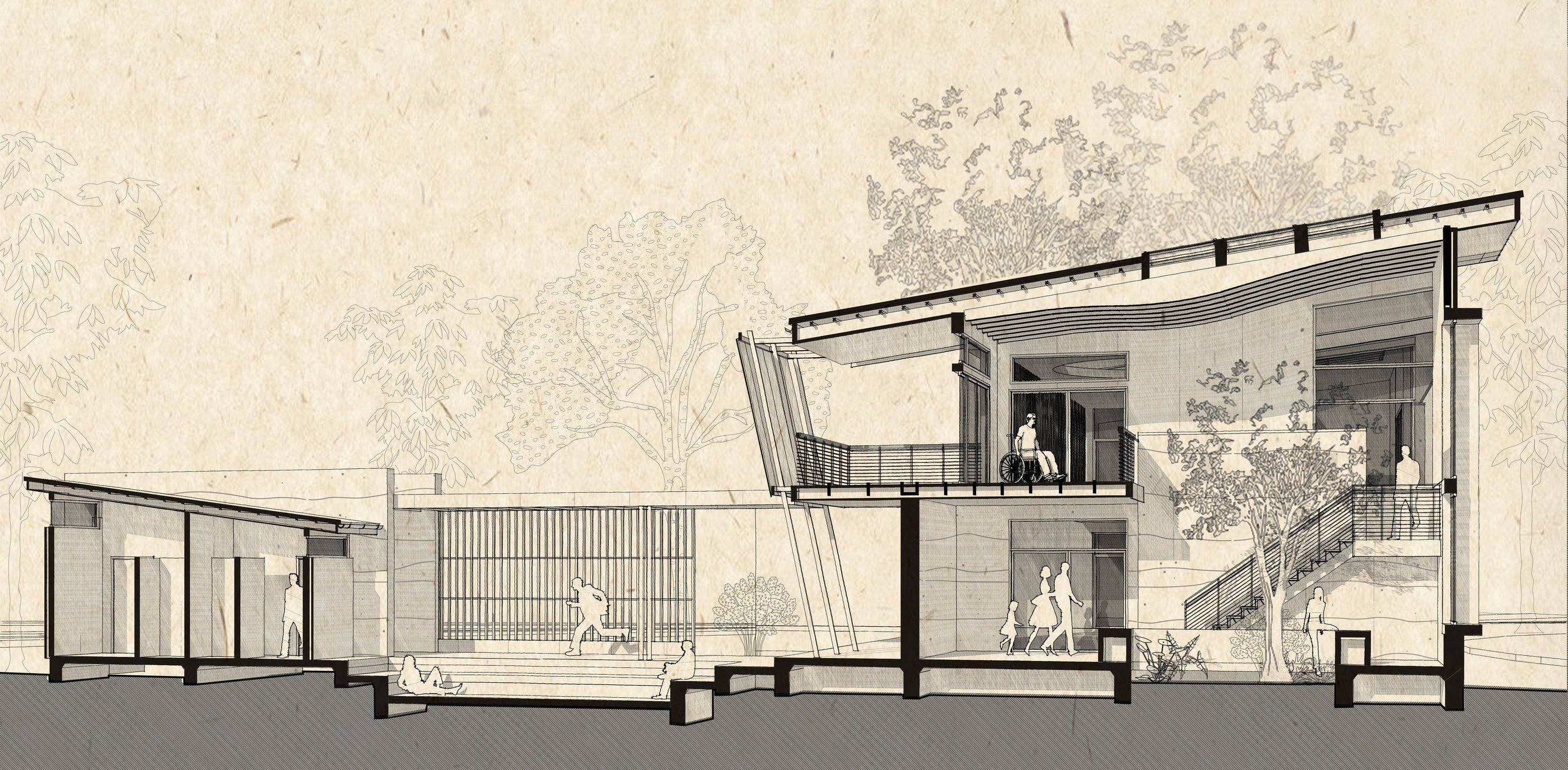
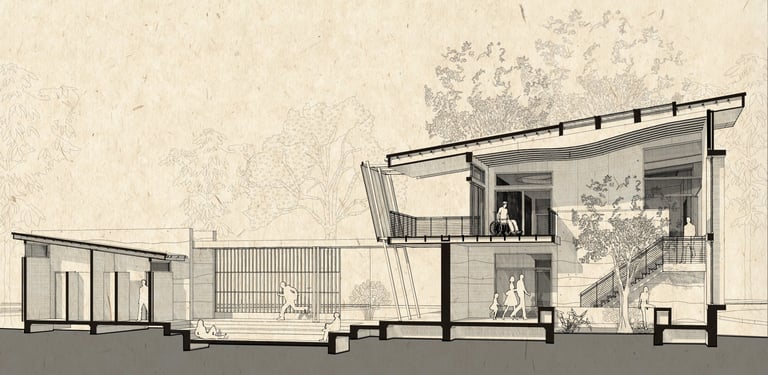
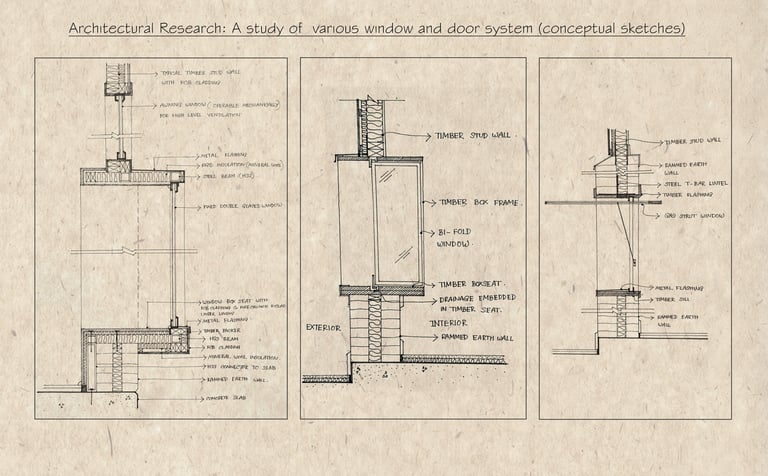
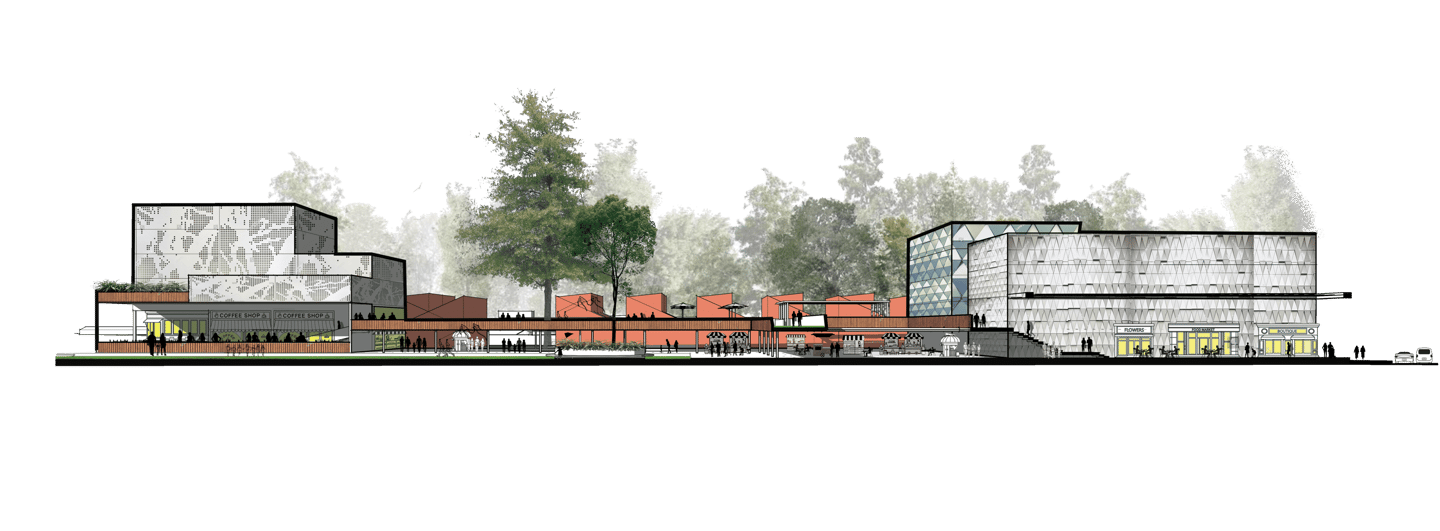
Snapshots of some of the visual presentation panels I have created throughout my evolving M. Arch journey @ Curtin University, Australia
To be continued ...
Thesis Part 01
Study Period 04 (2025)
Course Tutor: Dr. Urs Betty, Alex Lockhart, Ahdha Moosa
Visualization tools used: Hand drawing, SketchUp, Adobe PS, Ai, InDesign, a few Gemini generated visual elements to incorporate in the renders.
The unit brief for Architectural Thesis Project 1 outlined a research-led design process focused on identifying and investigating a complex architectural problem. It guides students through "serious play," methodology development, and site analysis to produce a comprehensive design brief and conceptual proposal that addresses contemporary social, cultural, or environmental issues.
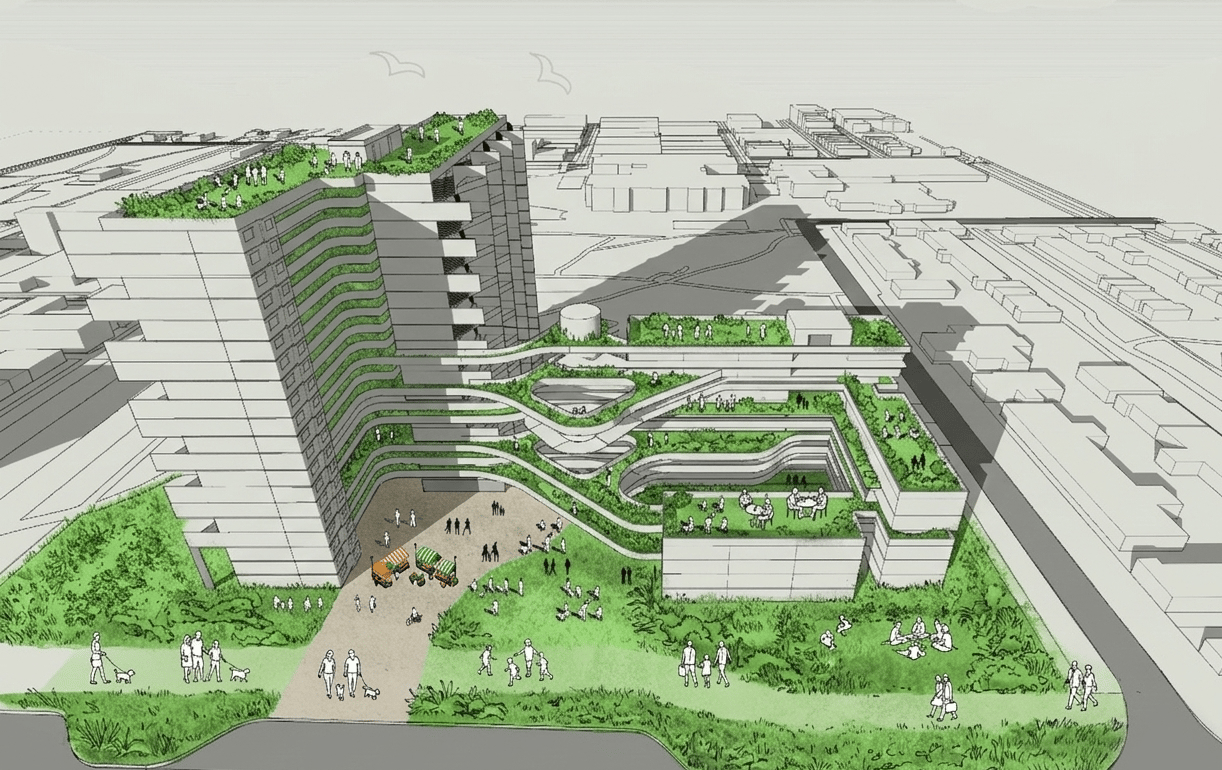
For my thesis proposal, I chose to study how the concept of "Regenerative Vertical Village" can be integrated into the modernist Public Housing Towers of Melbourne.
A Brief Description:
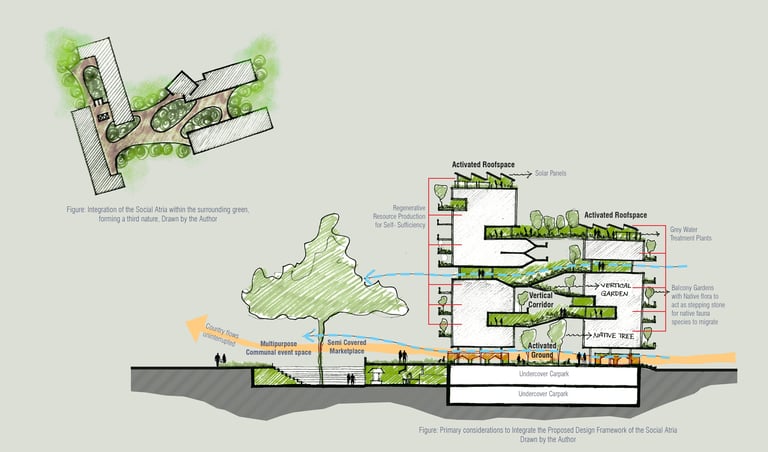
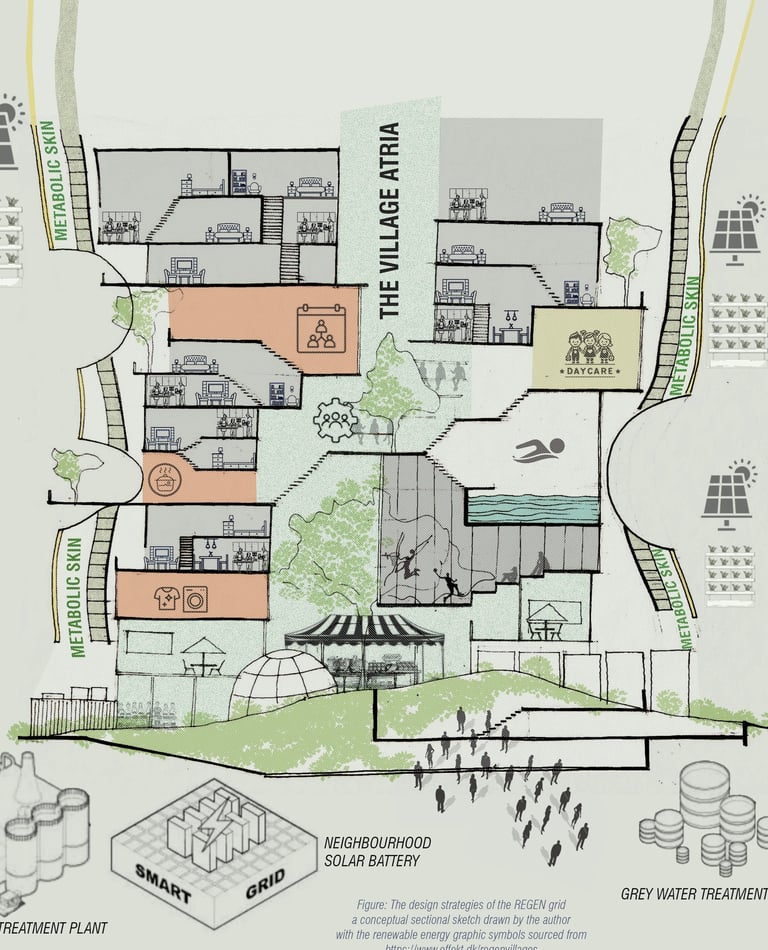
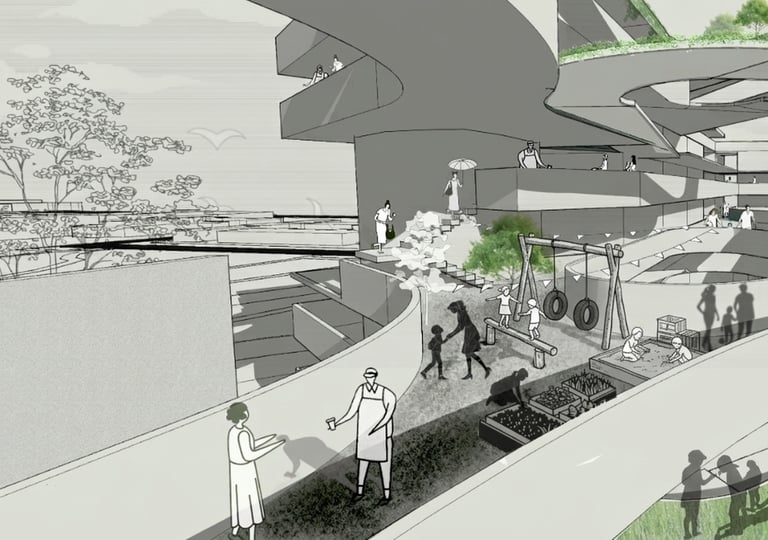
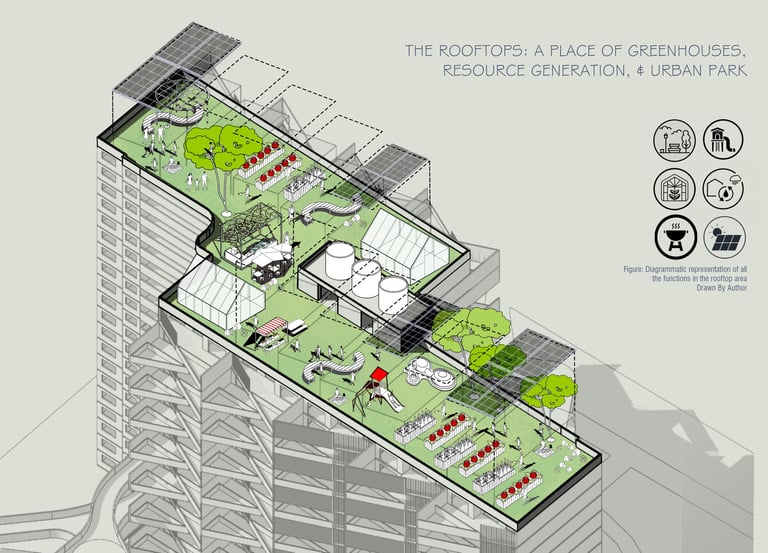
My thesis project, "The ReGen Village" proposes "regenerative retrofitting" to revitalize Melbourne’s modernist public housing towers. Instead of demolition, it utilizes existing concrete structures as "carbon-rich scaffolds" to create high-performance, socially resilient "Vertical Villages". The goal is to improve socio-environmental resilience while preventing community displacement.
Central to this approach is the creation of "Vertical Commons"—architectural interventions that serve as social atria. These spaces catalyze spontaneous social exchange and resource sharing, effectively transitioning the tower from isolated housing units into a vibrant, interconnected community organism. In this first phase of thesis project, I studied and proposed place-based intervention ideas that could achieve the Vertical village approach I am envisioning for the Melbourne Housing Towers.
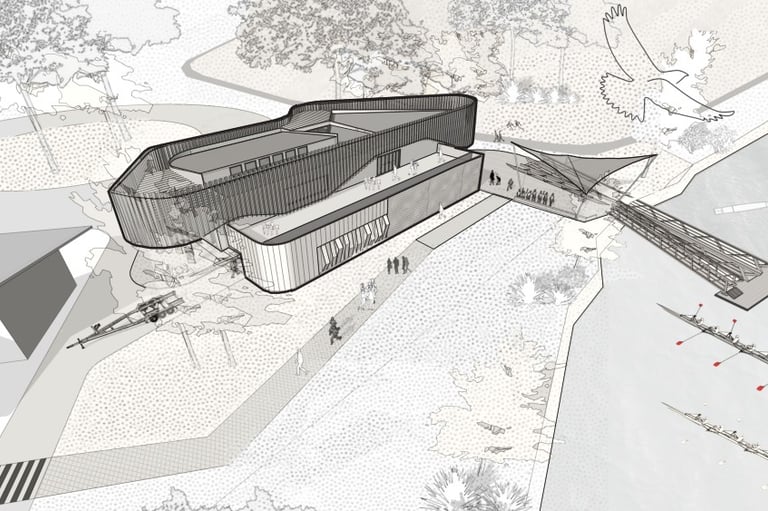
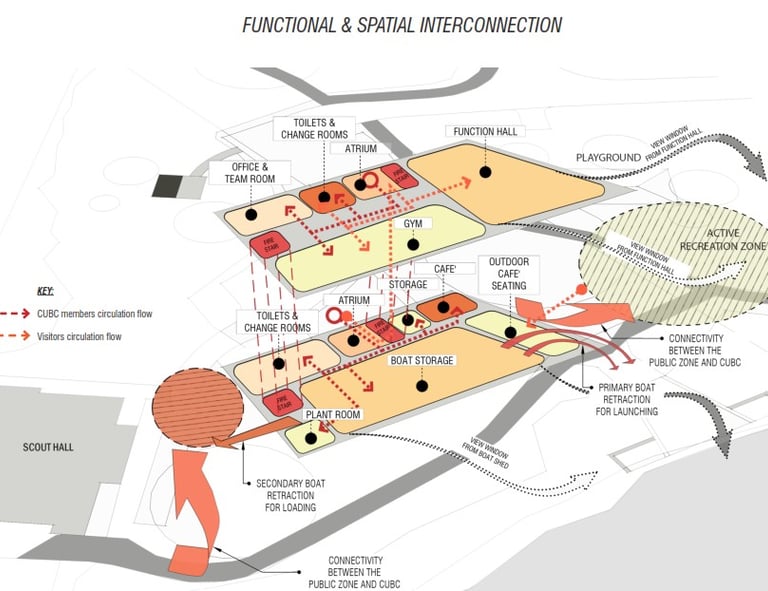
A Brief Description:
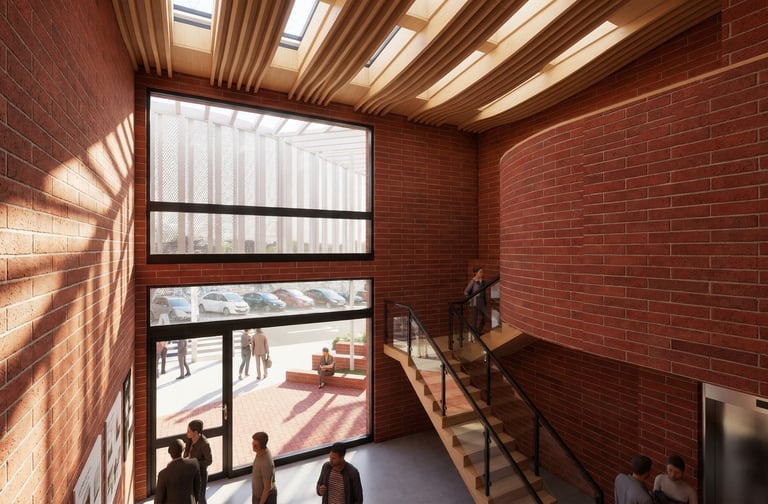
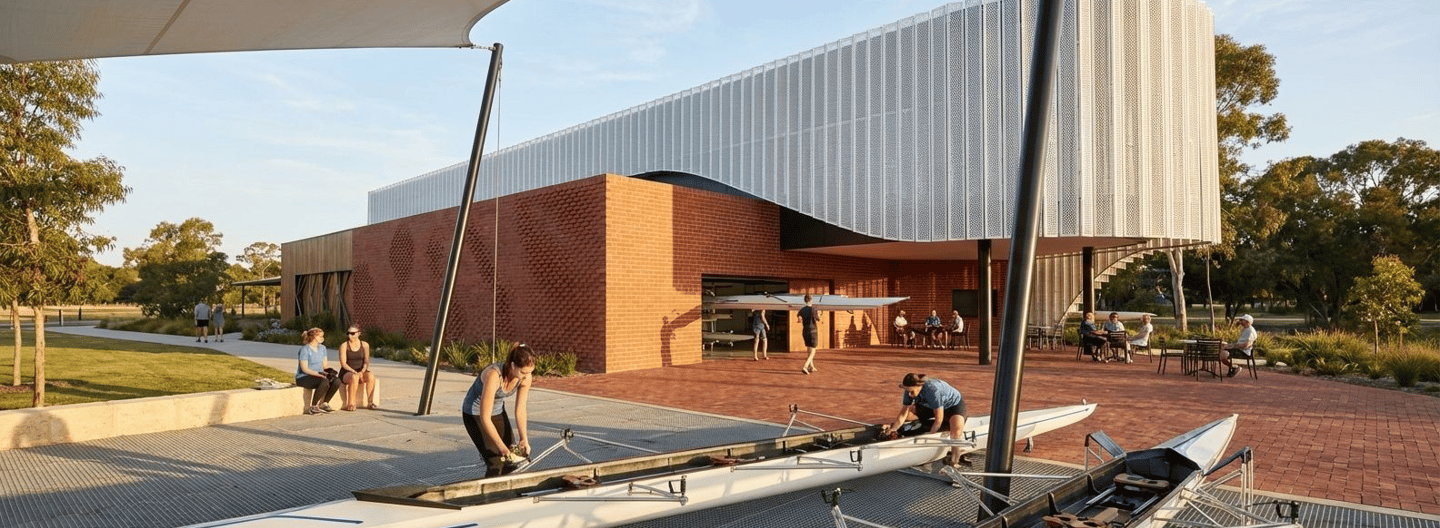
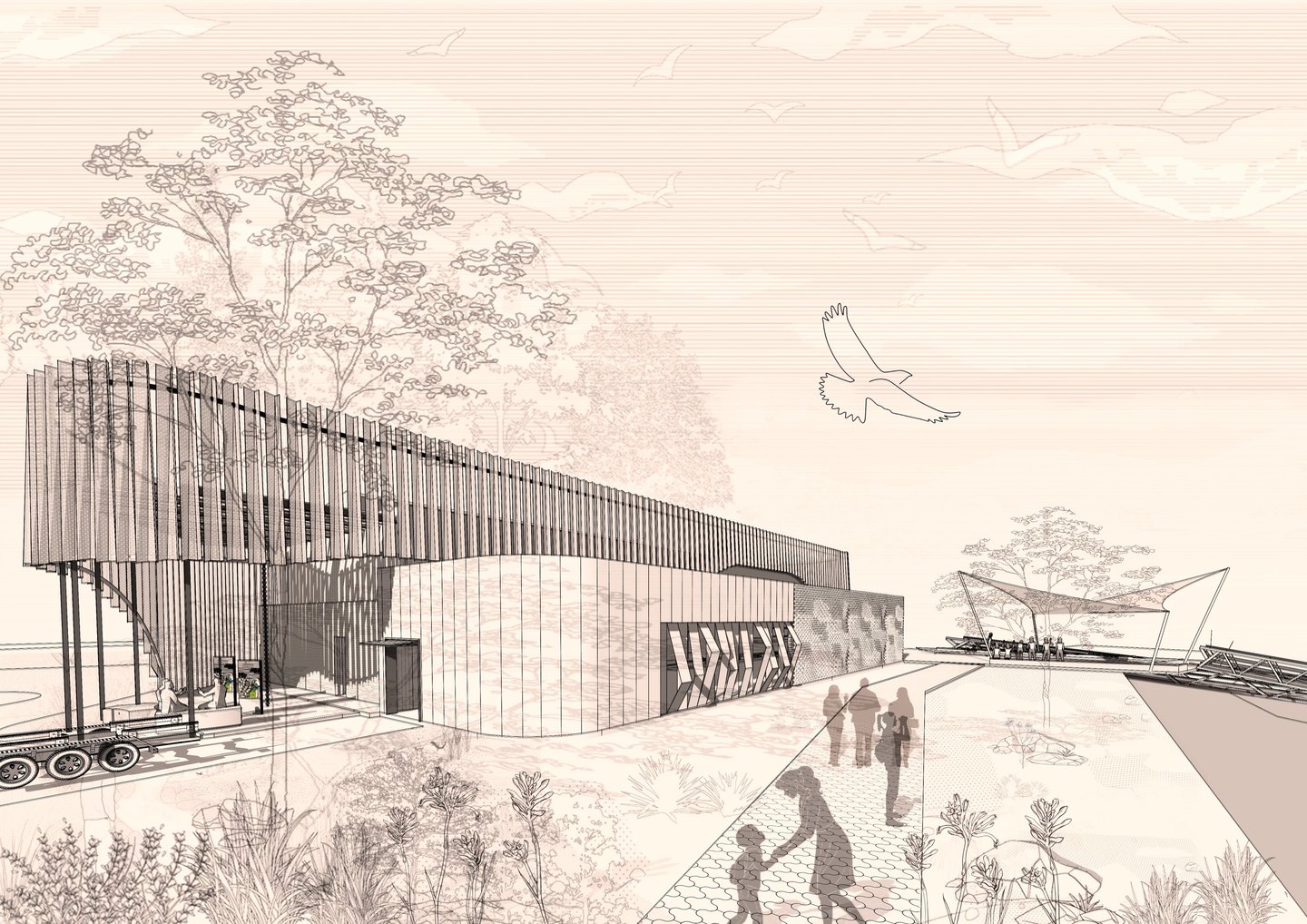
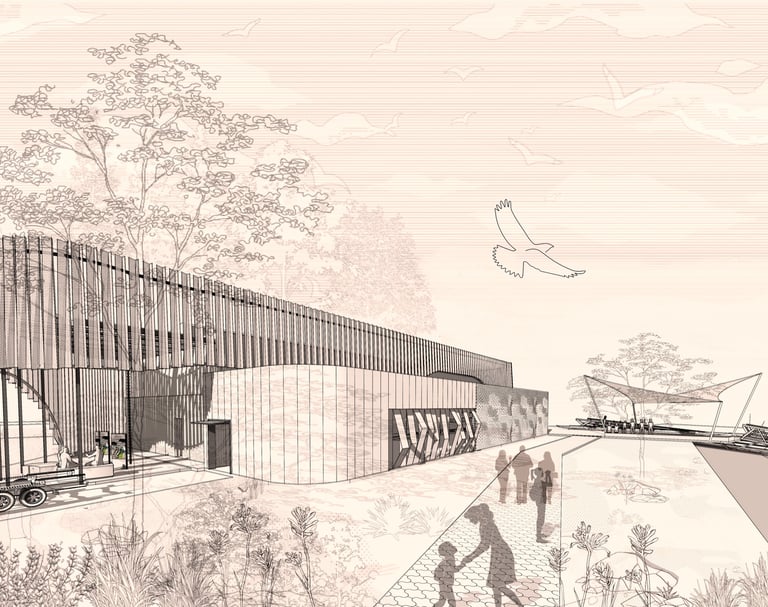
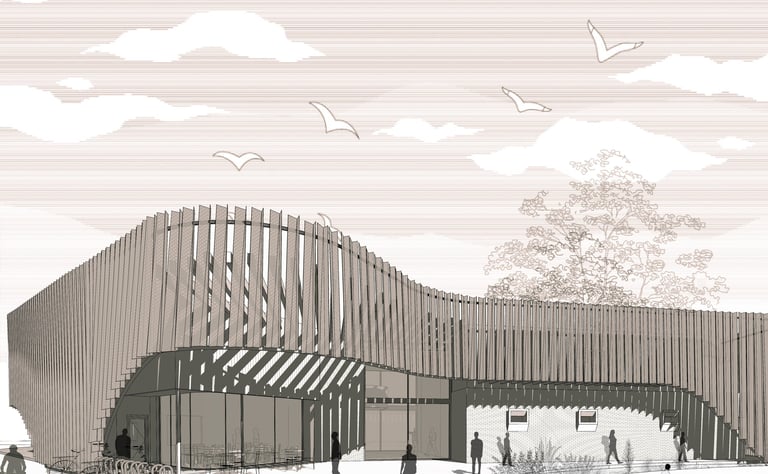
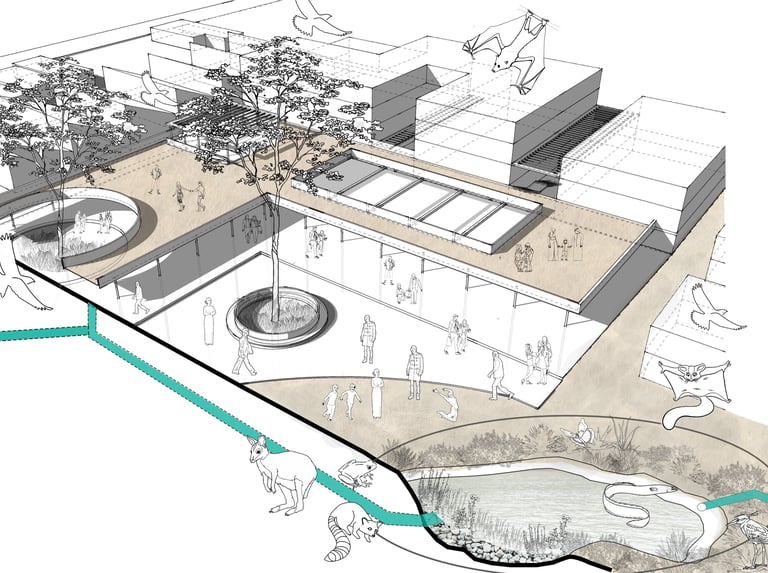
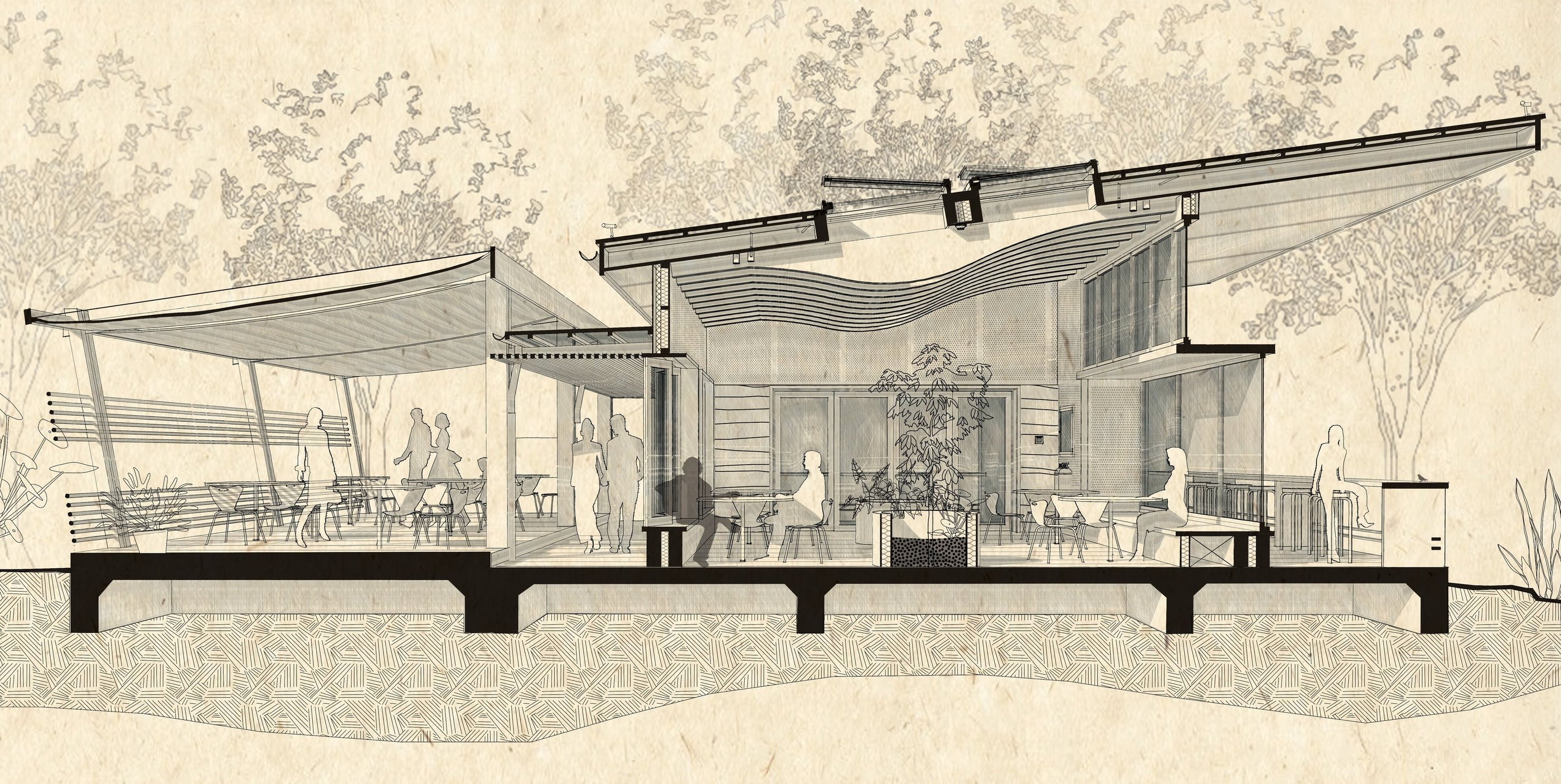
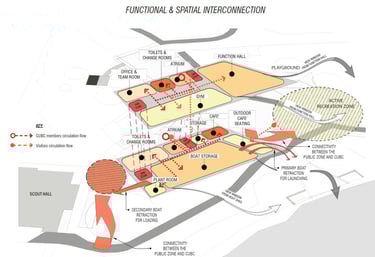
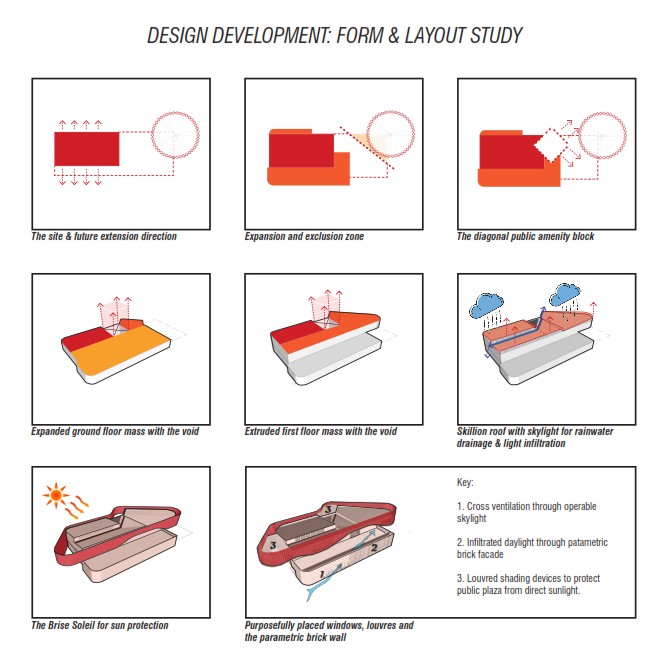
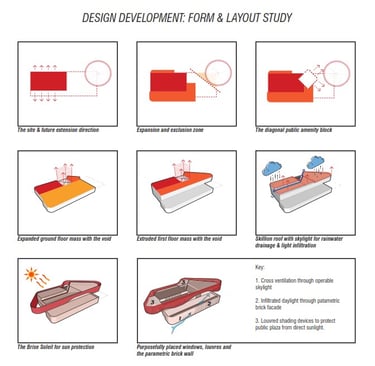
The proposed redevelopment of Curtin University Boat Club retains the existing structure partially and revitalize by juxtaposing rigid, retained old forms with fluid, curvilinear new extensions. This approach preserves embodied carbon while fostering placemaking through integrated communal hubs. By prioritizing passive design principles and innovative recycled materials, the project transforms the site into a sustainable, vibrant destination that strengthens community identity and resilience.
Feedback: "The return brief exceeds the client’s requirements. Your commitment to delivering a design proposition that offers the client the opportunity to develop a Para rowing program in the future is commended.
The drawing package, including the analysis, research and architectural drawings, is both thorough and of a professional standard."-- Sarah Warren
Study Period 03 (2025)
Course Tutor: Dr. Vuk Radovic, Sarah Warren
Visualization tools used: Hand drawing, SketchUp, ArchiCAD, Adobe PS, Ai, InDesign, I used VISOID, an AI-based rendering application to post-produce the initial renders. Construction cost calculator for budget estimation.
The project brief for the Curtin University Boat Club focuses on integrating architecture, landscape, and community along the Swan River. It challenges designers to balance functional rowing infrastructure with public space, emphasizing flood resilience, sustainable marine materiality, and innovative structural solutions that respond to the river's dynamic ecological and cultural contexts.
Praxis Studio
A Brief Description:
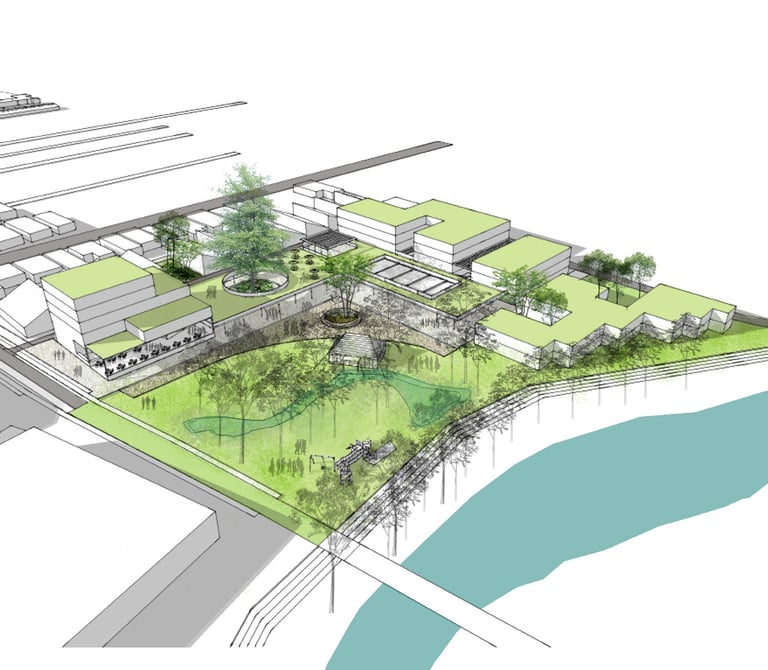
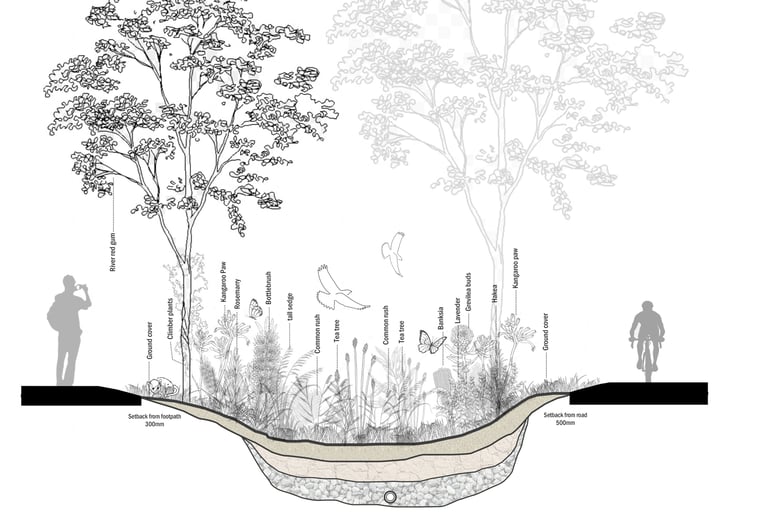
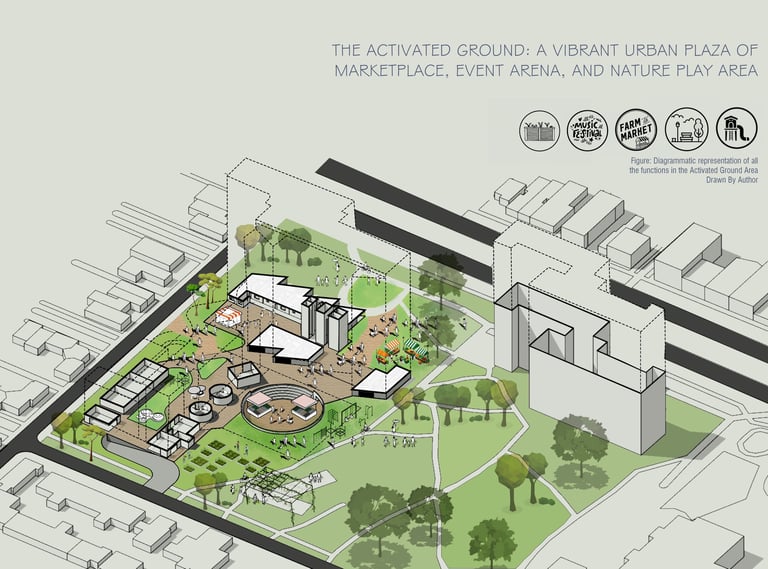
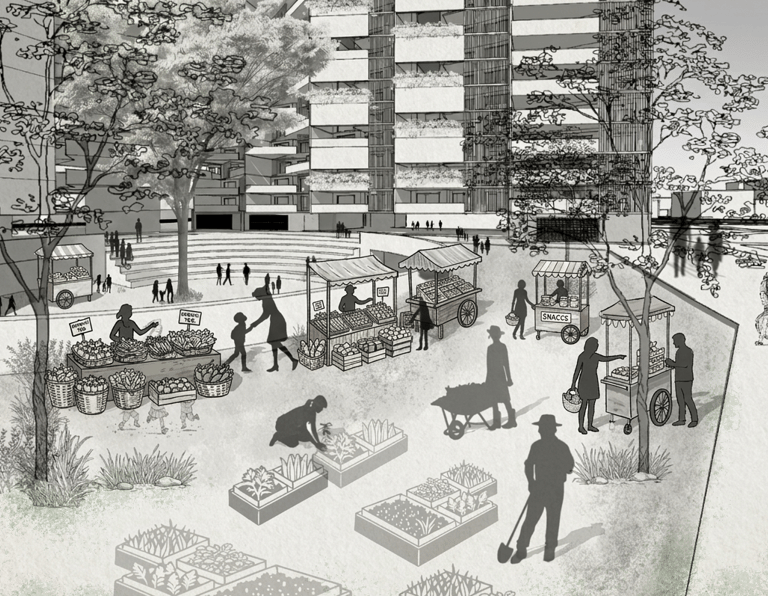
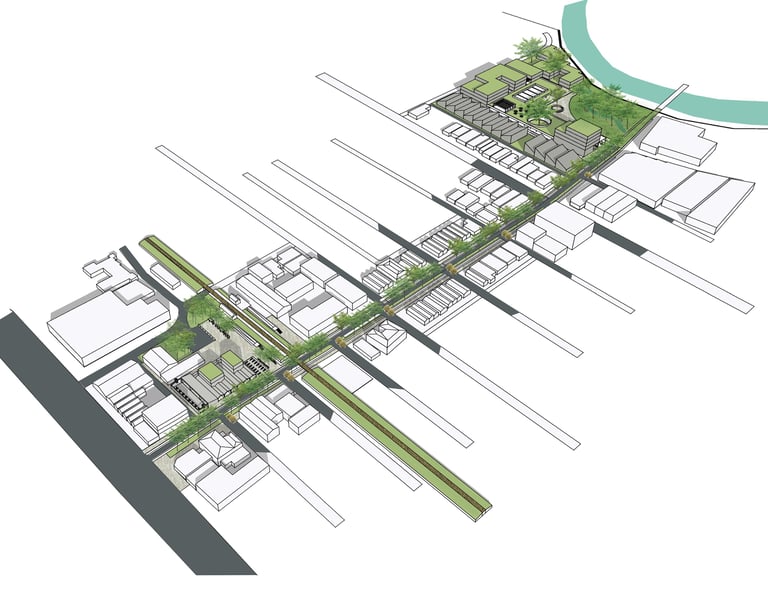
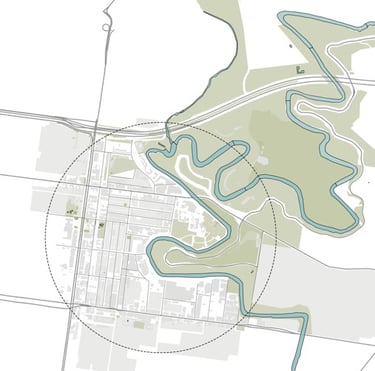
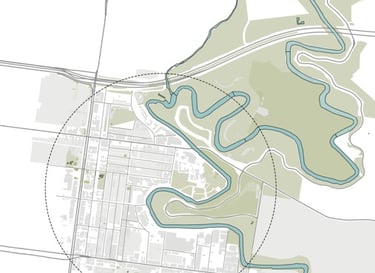
This project revisions Abbotsford through regenerative placemaking and "Caring for Country" principles. It views the Birrarung as a living entity, integrating Indigenous knowledge with "Bringing Nature Back" to urban spaces. By employing DIY urbanism and optimistic narratives, the design transforms neighborhoods into self-sufficient, symbiotic "living laboratories" that foster socio-ecological resilience.
Feedback: "Well done Sammana, your work is at a really high standard and you demonstrate a fantastic capacity for independent, self-driven work covering all the bases we outline in terms of rigorous design research at the urban scale. Thank you for engaging so deeply with the unit it is fantastic.
I like how you have developed an approach that combines strengths of multiple ways of working. Well done!"."-- Justin Owen and Darcy Rankin
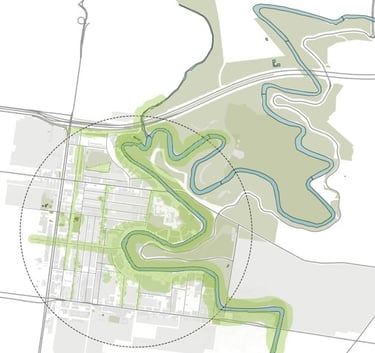
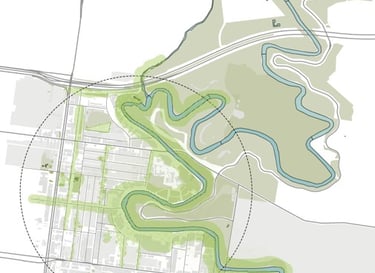
proposed revitalization goal
Urban Design Studio
Study Period 01 (2025)
Course Tutor: Justin Owen, Darcy Rankin.
Visualization tools used: Hand drawing, SketchUp, ArchiCAD, Adobe PS, Ai, InDesign, QGIS for site mapping
The unit brief challenged students to re-vision a 300-acre urban site as a walkable, climate-resilient environment. Emphasizing Country-centered design and participatory, bottom-up approaches, the project explores alternatives to traditional masterplanning. Students work collaboratively to analyze sites, develop value statements, and propose frameworks that allow people, flora, and fauna to flourish in harmony.
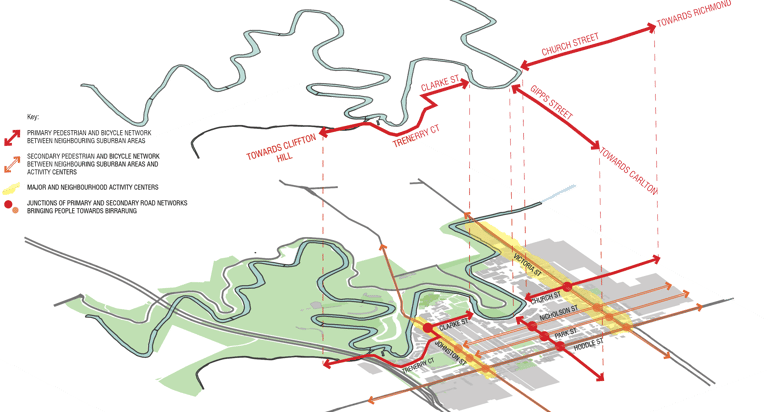
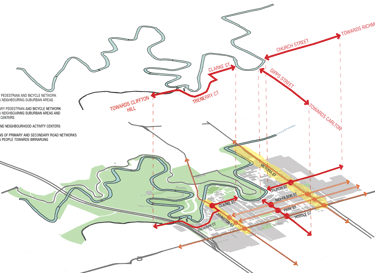
proposed interventin points
Architectural systems and research methods
Study Period 04 (2024)
Course Tutor: Dilon Gorton
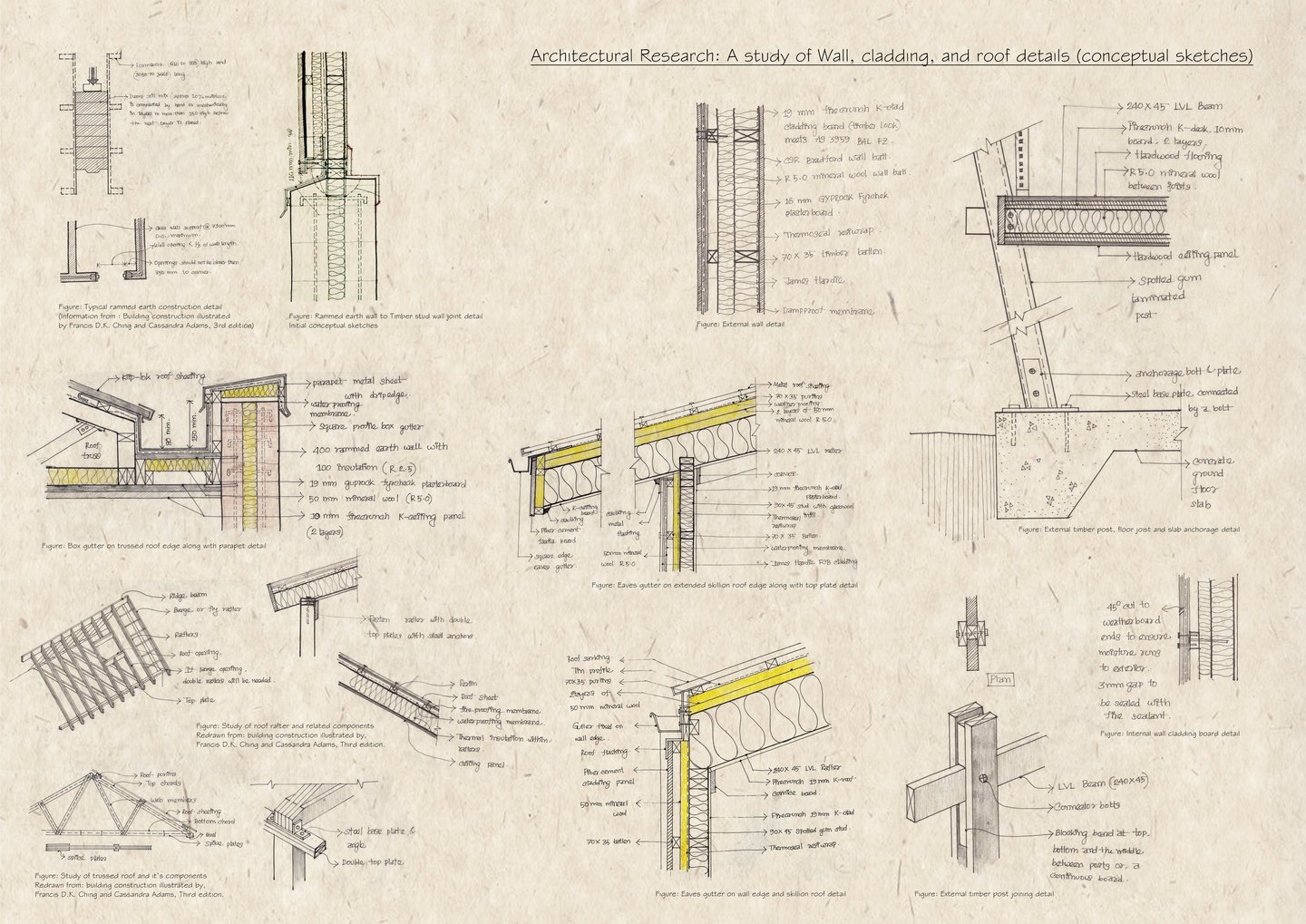
Visualization tools used: Hand drawing, Hand drafting, SketchUp, ArchiCAD, Adobe PS, Ai, InDesign, eTool for life cycle cost analysis.
The unit brief focuses on the technical integration of architectural systems and research methods. It emphasises evaluating life-cycle analysis, site-sensitive material selection, embodied carbon, and structural systems like footings and cladding. Students must demonstrate how material selection and construction assemblies impact design outcomes while adhering to building codes and sustainable procurement standards.
Tutor's Feedback: "I am really impressed with how you have approached this project / assignment. You have done so well to translate your design into its Australian context, and it’s great to see how you have navigated the factors necessary here (BAL, NCC, WLC) without sacrificing design intent. The architecture itself is still really strong, and the analysis and decisions made here always feel in service of the design, rather than an unavoidable compromise. The work itself is quite astonishing, both in the depth of research / analysis undertaken and the impeccable visual delivery – the hand-drawn details obviously win me over, but then it’s also great to see how rigorous you were with your eTool research. Drawing panels are some of the best I have seen, again finding that difficult balance of highly informative / technically accurate yet visually engaging and activated. Overall, there is a sense that you are really in control of this process here, and the results continue to impress. Great work, keep it up."-- Dilon Gorton